Alessandro Lucchetti
PhD Student · Cycle 40
Supervised by Francesco Cadini
Research
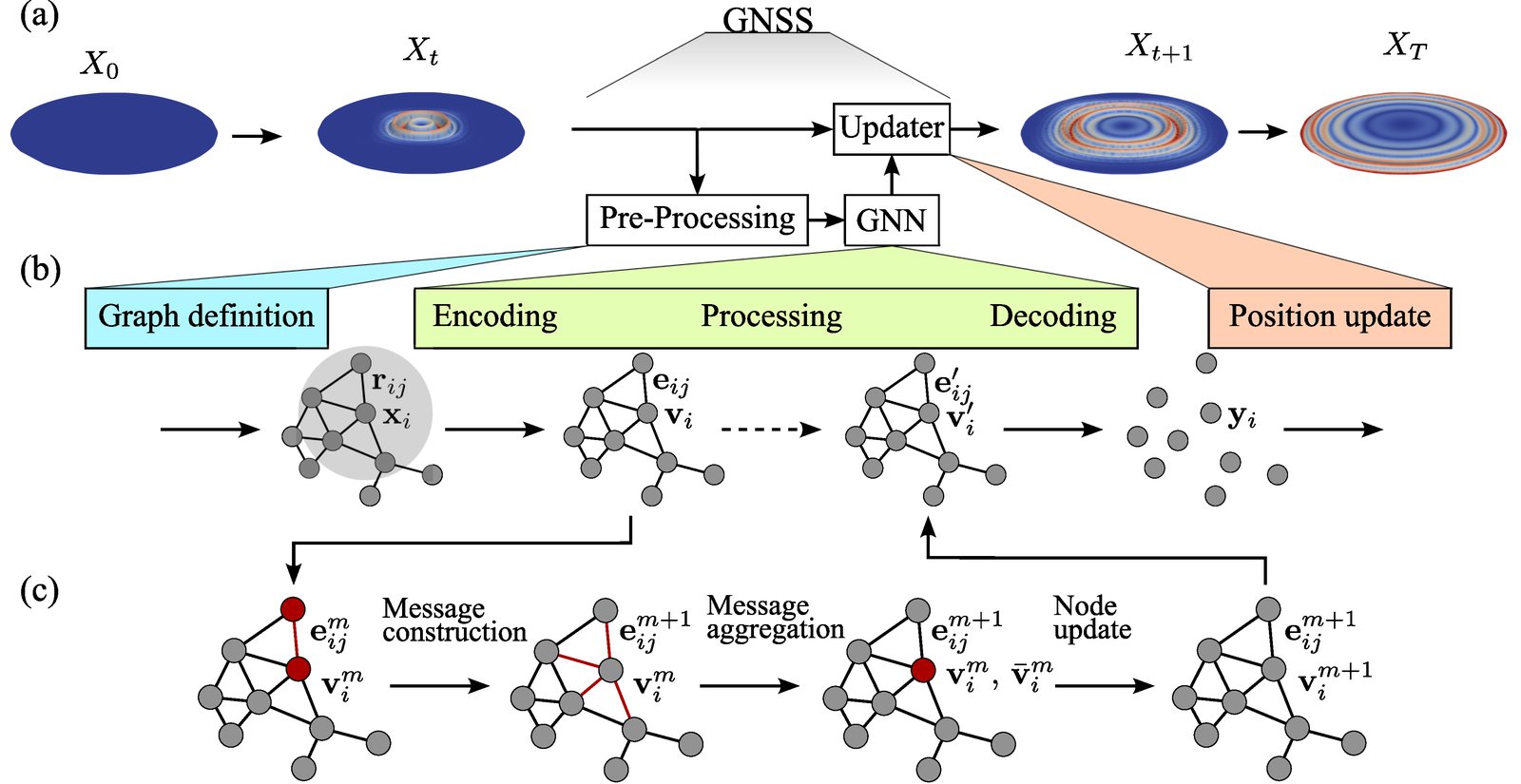
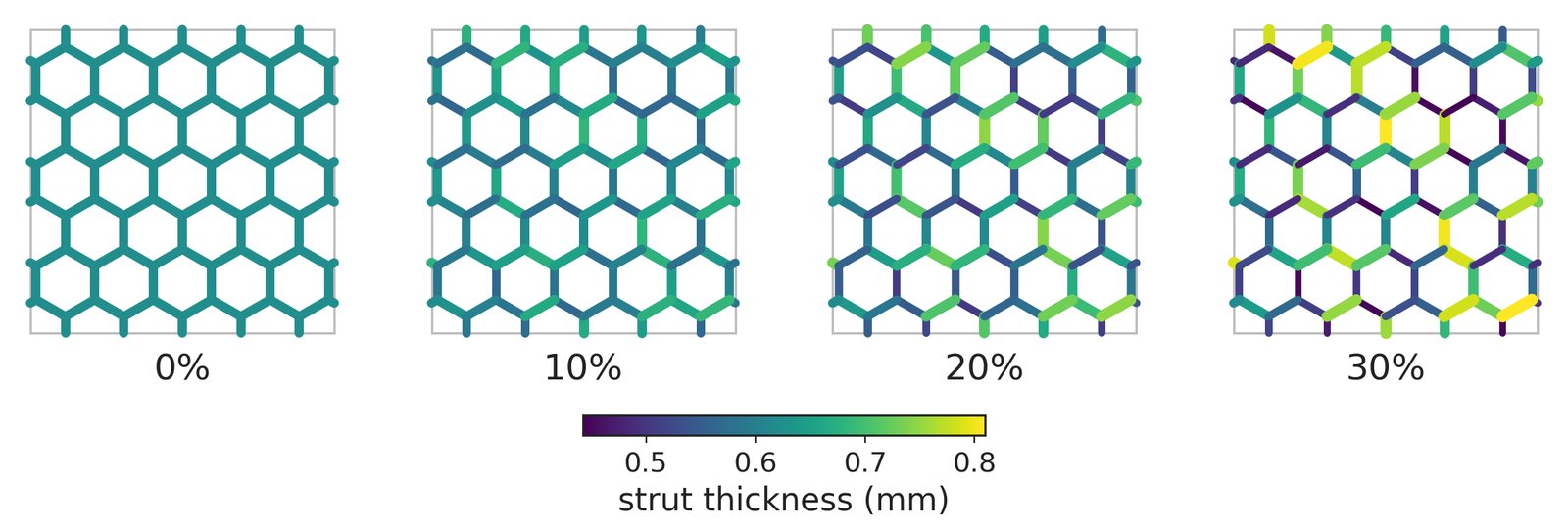
Alessandro's research develops graph neural networks as fast surrogates of finite element simulations in structural mechanics. His main line extends GNSS, a graph neural network simulator of guided wave propagation, towards structural health monitoring, with stable long-term predictions of elastic waves in structures made of different materials. A second line applies graph neural networks to the inverse design of disordered lattice metamaterials for protective structures: a surrogate trained on finite element crushing simulations, with the material calibrated on tests of the printed polymer, guides a generative model towards geometries with a prescribed crushing response. He also works on the Italian Space Agency project EXTESA.
Selected publications
Towards Adaptive and Robust Unsupervised Anomaly Detection in Satellite Telemetry
L. Brancato, A. Lucchetti, F. Cadini, M. Giglio
PHM Society Asia-Pacific Conference 5(1) · 2026
Fractal-based Satellite Health Monitoring
L. Pinello, L. Brancato, A. Lucchetti, F. Cadini, M. Giglio
PHM Society Asia-Pacific Conference 5(1) · 2026
Teaching
Teaching assistant
Reliable and Resilient Design of Mechanical Systems
MSc Mechanical Engineering · 5 CFU · 1st semester · Milano Bovisa
Lecturer: Francesco Cadini
Course sheetTeaching assistant in 2025/2026
Machine Design
MSc Mechanical Engineering · 5 CFU · 2nd semester · Milano Bovisa
Lecturer: Andrea Manes
Course sheet
Courses of 2026/2027, from the Politecnico’s course sheets. All the group’s courses
Research in images